Our Historical Experiences
Each offering designed to illuminate different aspects of Britain's rich historical tapestry

Heritage Deep Dive
£67.50 per person
Three hours at a single location. This extended timeframe allows us to move beyond surface-level observation into genuine investigation.
We select sites with multiple layers of history. A castle that began as Norman fortification, was expanded in the Gothic period, adapted for Tudor residential use, then partially restored by Victorian antiquarians. Each layer tells a different story about changing priorities and capabilities.
The intimate group size ensures everyone can participate actively. Ask questions. Handle replica artifacts. Examine architectural details up close. Discuss alternative interpretations of ambiguous evidence.
Previous Deep Dive participants often remark that three hours felt too short. This response indicates proper engagement—when you're actively investigating rather than passively consuming, time accelerates.
- Maximum eight participants
- Access to restricted areas when available
- Detailed site documentation provided
- Follow-up reading list tailored to participant interests
Architectural Chronicles
£85.25 per person
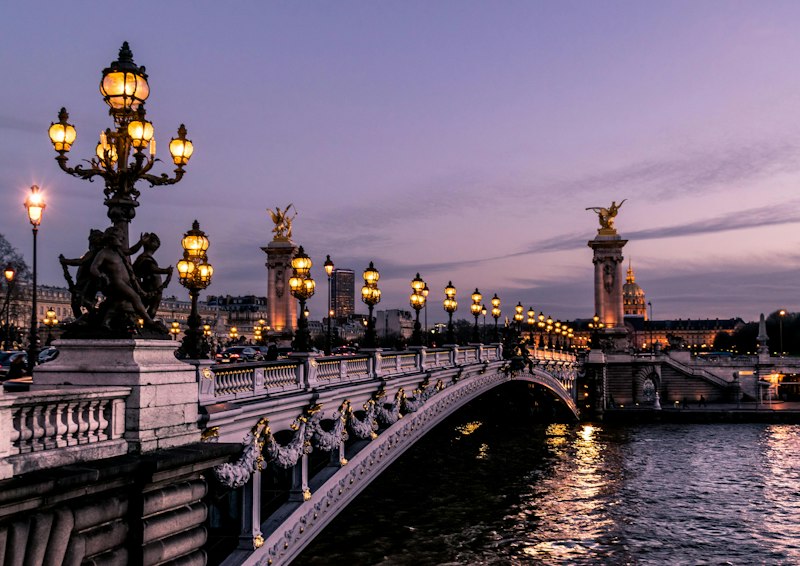
Buildings as historical documents. Every design choice reflects available technology, aesthetic preferences, functional requirements, and social structures of its era.
We examine how construction techniques evolved. The transition from Romanesque rounded arches to Gothic pointed ones wasn't merely stylistic—it enabled different structural distributions of weight, allowing taller buildings with larger windows. Understanding the engineering reveals why certain architectural forms emerged when they did.
The tour includes discussion of the skilled trades involved. Master masons who could visualize three-dimensional structures and translate them into working drawings. Carpenters who created complex timber frameworks. Glaziers who produced and assembled colored glass. The social organization of these crafts tells us much about medieval economic systems.
We also address how buildings were maintained and modified. Few structures remain in their original form. Most underwent continuous adaptation. Reading these changes requires careful observation of mortar colors, stone types, and joinery methods.
- Detailed examination of construction techniques
- Discussion of stylistic evolution
- Analysis of later modifications and restorations
- Technical drawings and diagrams provided
Social History Walk
£72.80 per person
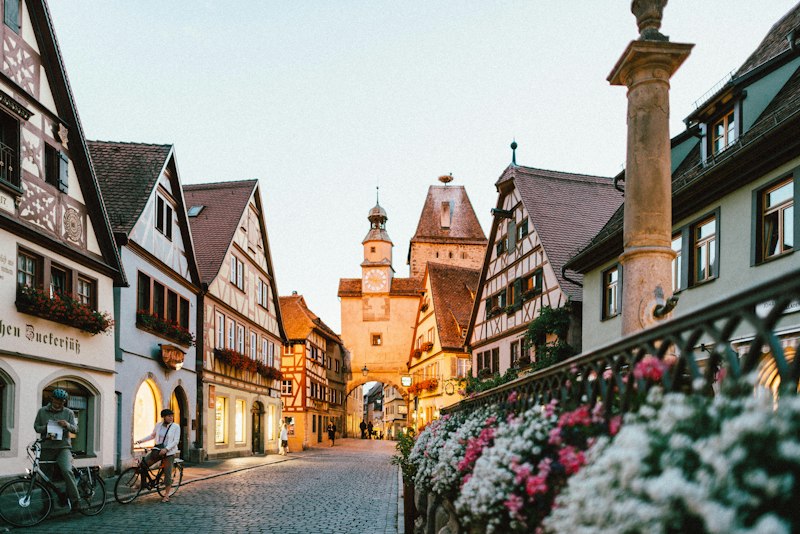
The history of ordinary people is harder to uncover than that of elites, but far more representative of actual lived experience.
We focus on domestic spaces, work areas, and communal facilities. Kitchens reveal food preparation methods and preservation techniques. Workshops show craft production. Servant quarters demonstrate social hierarchies. Gardens indicate both aesthetic preferences and practical needs.
Archaeological evidence plays a crucial role here. Elite activities generated written records, but understanding common people's lives requires material culture analysis. What do refuse pits tell us about diet? What does tool wear reveal about daily labor? How do building materials indicate economic status?
We reconstruct daily routines based on environmental factors. Before artificial lighting, daylight governed activity. Before piped water, everything from cooking to cleaning required multiple trips to wells or streams. Before industrial food production, preservation and storage consumed enormous effort.
This perspective transforms how you see historical sites. A great hall becomes not just an impressive space but a working environment where dozens of people coordinated complex activities.
- Focus on daily life and routine activities
- Discussion of labor, diet, and domestic arrangements
- Material culture analysis
- Comparison across different social classes
Photography & History
£94.00 per person
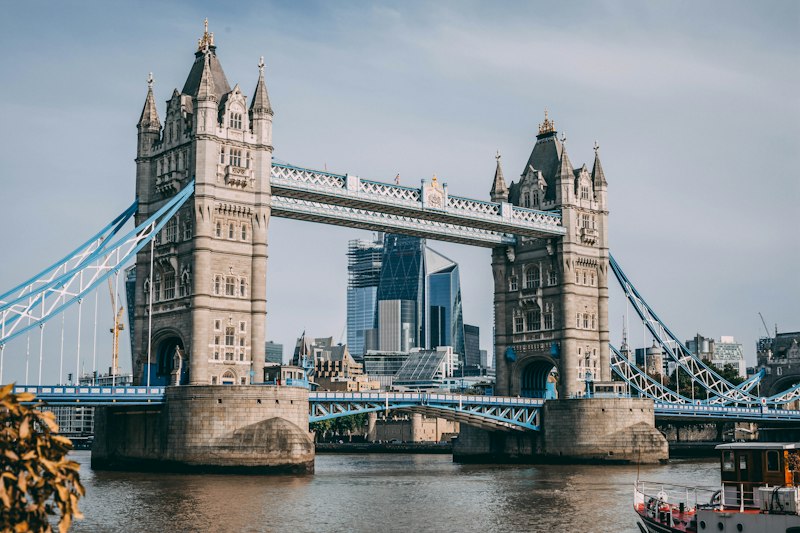
Photography is not merely documentation. It's interpretation. Where you position the camera, what you include in frame, how you handle light—all these choices shape how others will understand a site.
We discuss how to photograph buildings in ways that reveal their architectural logic. How to capture details that tell broader stories. How to work with available light to emphasize texture and depth. How to compose images that convey both specific information and emotional resonance.
The tour includes practical instruction on dealing with challenging conditions common at historical sites. Low interior light. High contrast between bright exteriors and dark interiors. Crowds that make clean compositions difficult. Restrictions on tripod use.
We also address the ethics of historical photography. How to document without distorting. When enhancement serves interpretation versus when it misleads. The responsibility that comes with creating images others will use to understand the past.
- Technical guidance for architectural photography
- Discussion of compositional approaches
- Light management techniques
- Image critique and review
- Bring your own camera equipment
Family Discovery Tour
£115.50 per family group
Children are natural historians. They ask the questions adults have learned to suppress. "How did they go to the bathroom?" "What did it smell like?" "Where did they keep their pets?"
These aren't trivial questions. They're exactly the right questions for understanding how people actually lived. We take them seriously and provide detailed, accurate answers.
The tour adapts to the age range of participants. Younger children focus on tangible, sensory aspects. What materials feel like. What spaces sound like. How big or small things are relative to their own experience. Older children can handle more complex discussions of causation, change over time, and multiple perspectives.
We use hands-on investigation wherever possible. Examining replica artifacts. Comparing modern and historical construction techniques. Sketching architectural features. Measuring spaces by pacing.
The goal is not to make history "fun" through gimmicks, but to demonstrate that history is inherently interesting when approached as investigation rather than memorization.
- Adapted to children ages five and up
- Interactive elements throughout
- Encourages questions and investigation
- Take-home activity materials
- Pricing covers up to five family members

Specialized Research Tour
£142.75 per person
For writers developing historical fiction. Researchers pursuing specific questions. Anyone whose interest in the past extends beyond general appreciation into focused inquiry.
These private consultations allow us to tailor the experience entirely to your needs. If you're researching medieval textile production, we'll focus on that aspect across multiple sites. If you're writing about Tudor domestic life, we'll examine kitchens, parlors, and service areas in detail.
We provide not just site tours but connections to archival resources, specialist literature, and ongoing research projects relevant to your interests. Many specialized tour clients maintain contact afterward, consulting us as their projects develop.
The session typically runs four to five hours, with flexibility to extend if the investigation demands it. We can arrange access to areas not normally open to visitors, coordinate visits with site archaeologists or conservators, and facilitate examination of specific architectural or archaeological features.
- Entirely customized to your research needs
- Extended time allocation
- Specialist access arranged when possible
- Detailed bibliography and resource list
- Ongoing consultation available